


Evaluation process that must be conducted before a building is demolished. Typically includes a Waste Management Plan for the waste generated from demolition, including recycling and proper disposal.
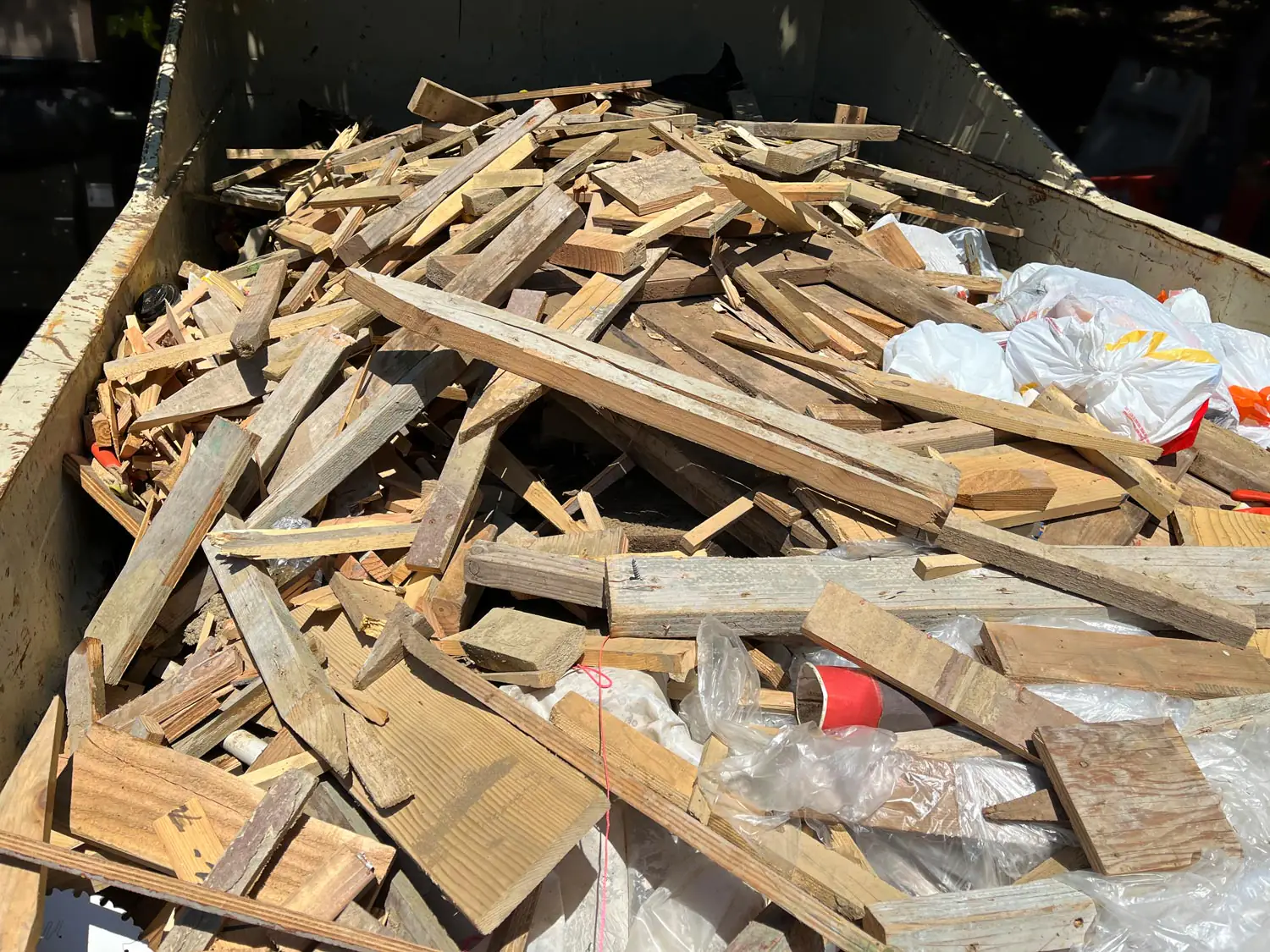
Wood waste generated by commercial and industrial activities. This can include offcuts, sawdust, shavings, pallets, crates, packaging materials and construction debris. The circular economy aims to maximize the value and utility of these materials through sustainable practices.
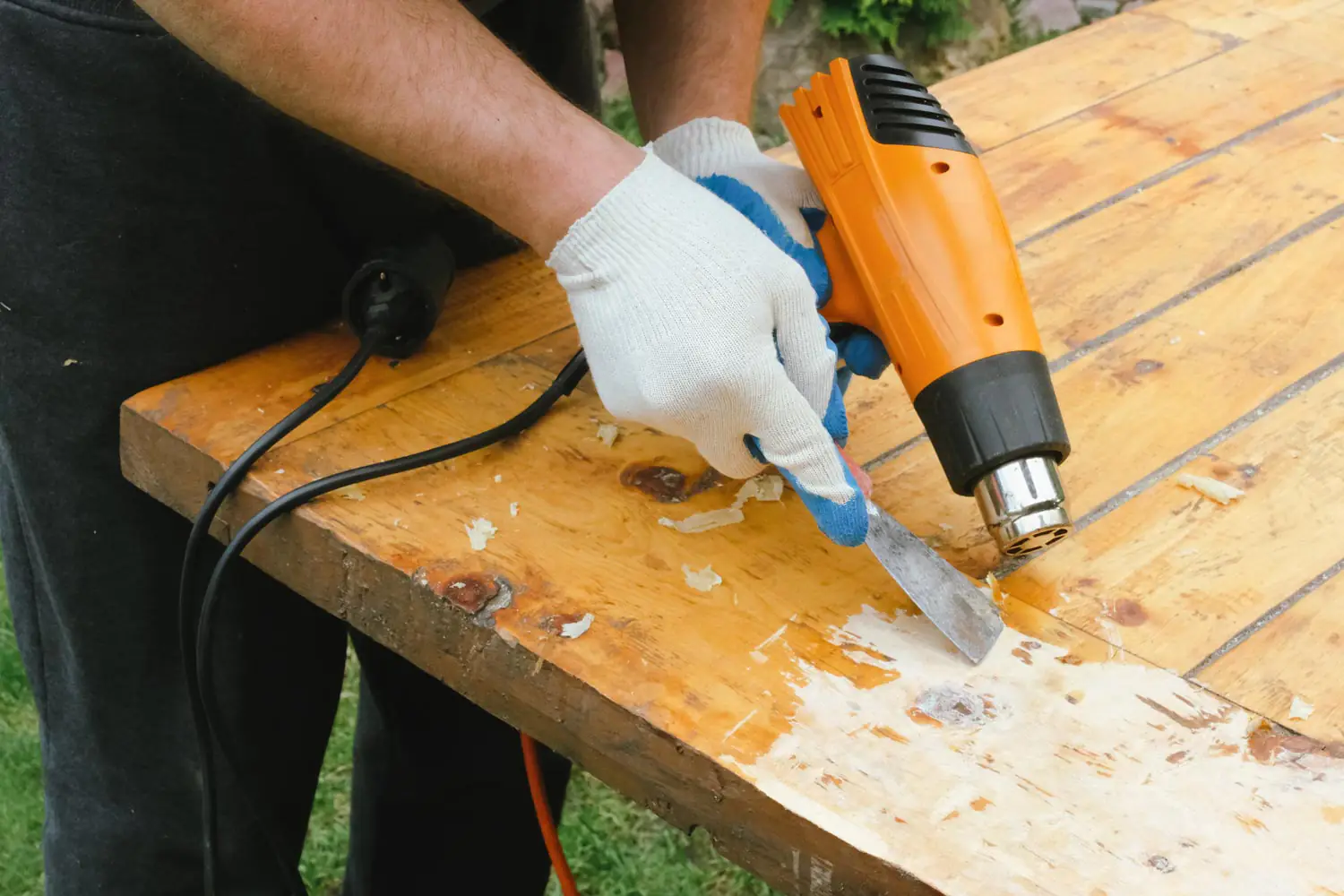
Processes and methods used to remove contaminants, coatings, and other impurities from waste wood to make it suitable for recycling, reuse, or repurposing. Cleaning wood is essential to ensure it can be reintegrated into the production cycle or used in other applications.

Design approach that simplifies the manufacturing process and ensures that easily disassembled at the end of their life cycle. It is fundamental to the circular economy, emphasizing sustainability, resource efficiency, and waste reduction.
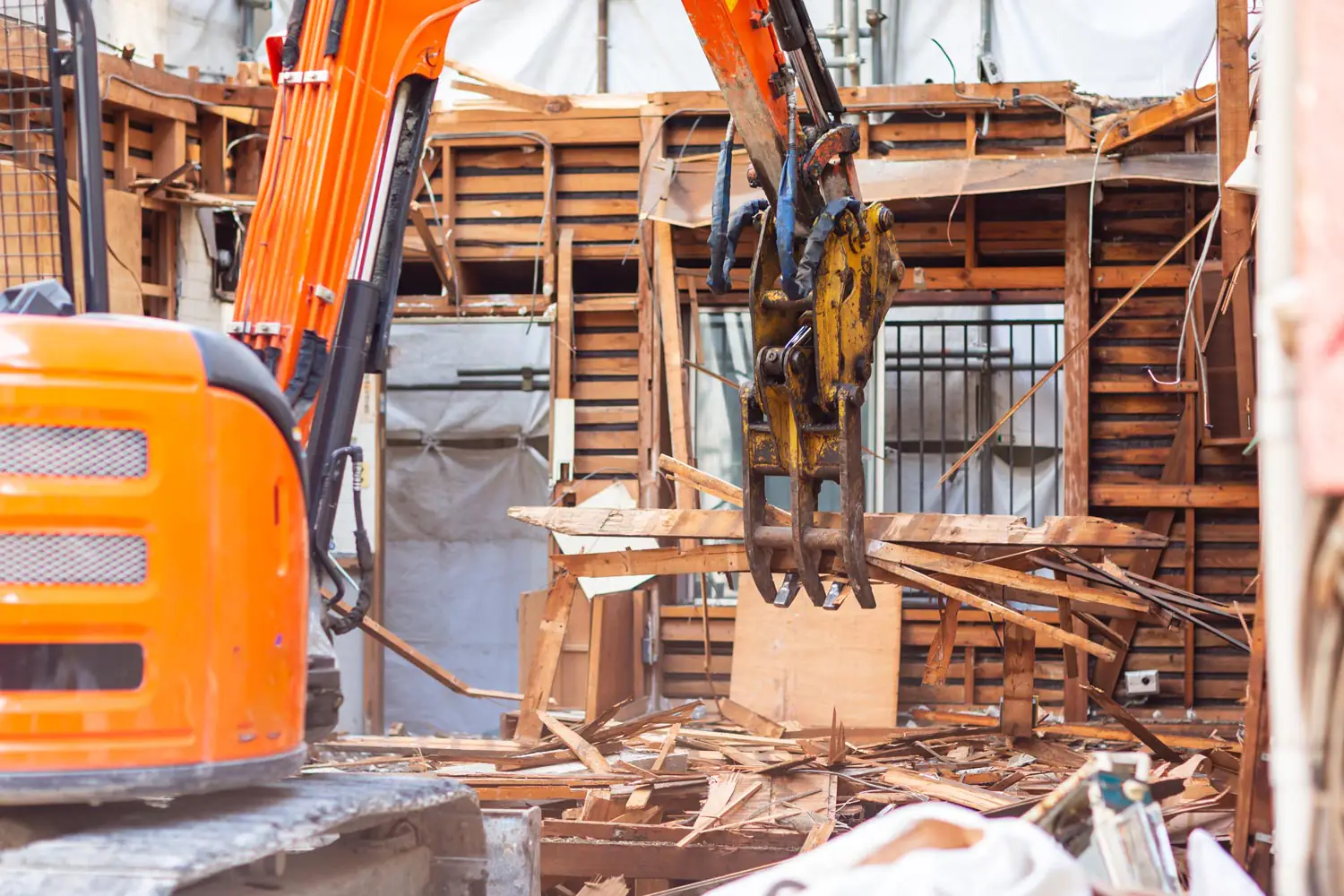
Wood that is salvaged from buildings and structures that have been demolished. Instead of being disposed of as waste, this wood is recovered and repurposed in various ways to extend its lifecycle and reduce environmental impact.
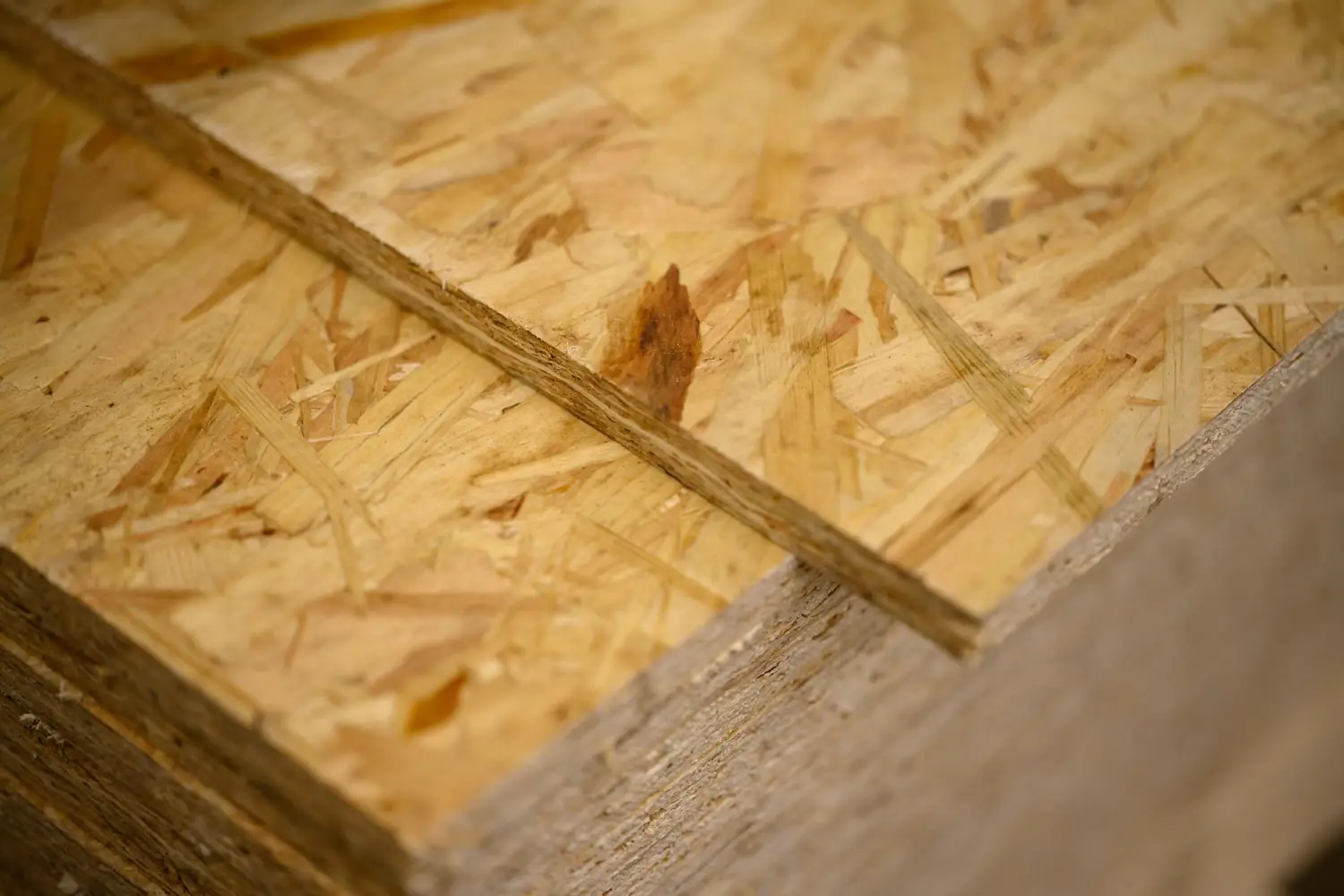
Manufactured wood products made by binding or fixing together strands, fibers, veneers, or particles of wood to create materials with enhanced strength, stability, and performance characteristics compared to natural wood.
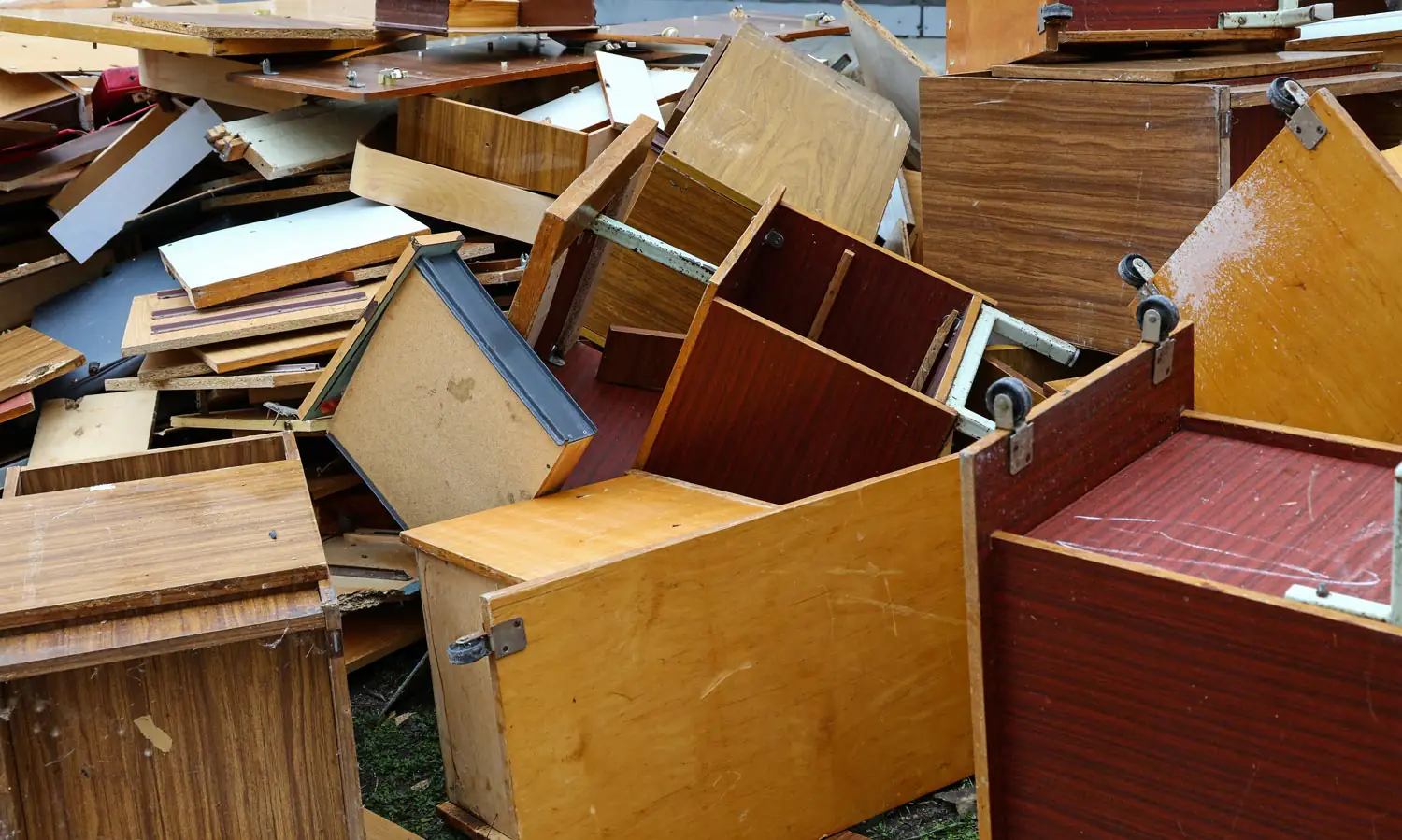
Wood that is discarded or deemed waste from furniture production, use, or disposal. This can include various types of wood and wood products that have reached the end of their life cycle or are leftover from the manufacturing process.

Process of assessing and classifying materials, such as wood, to determine their quality, usability, and suitability for various applications. Grading is crucial for optimizing resource use and supporting sustainable practices. Key aspects include sorting, grading and standardising.
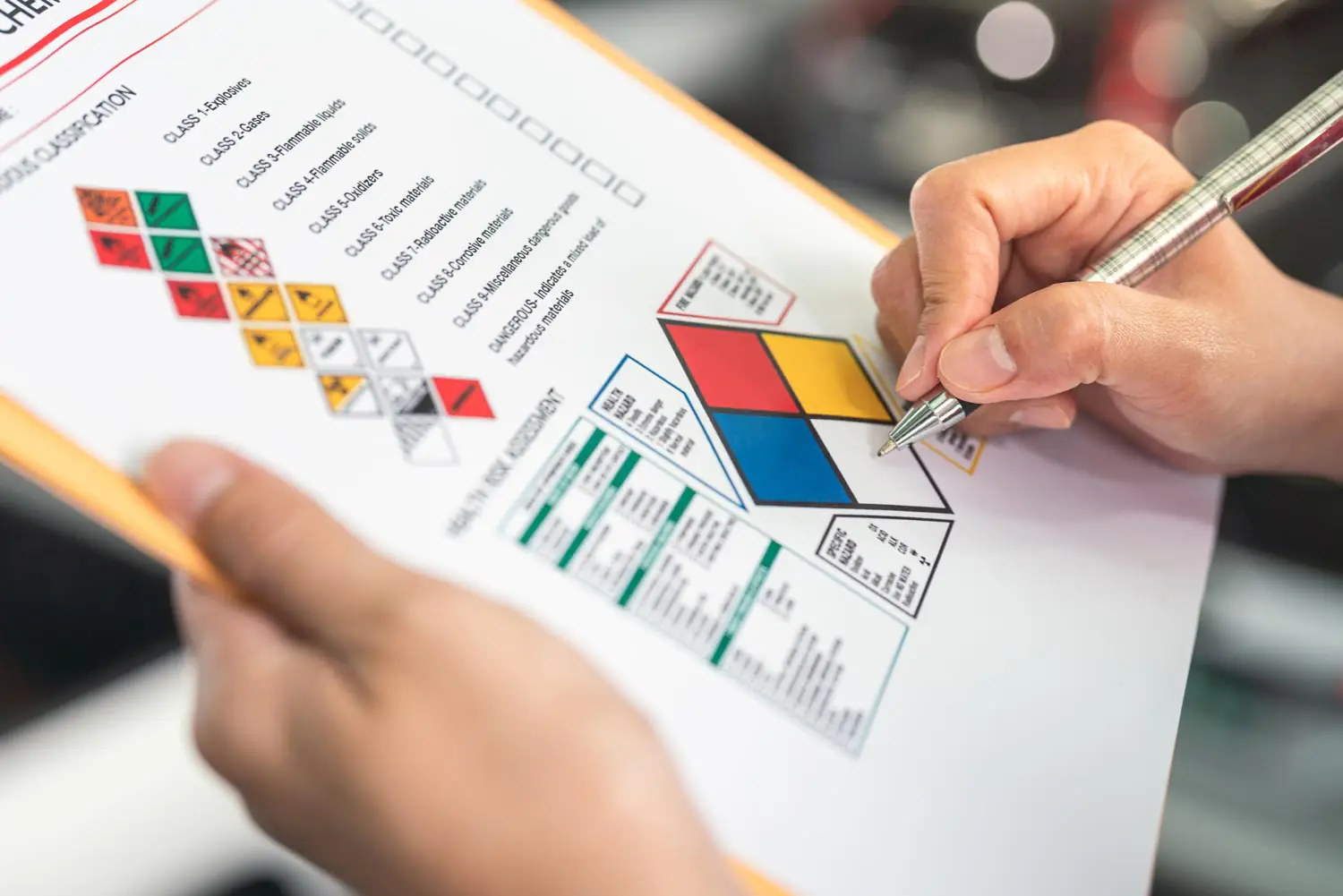
Separating non-hazardous and hazardous materials involves identifying and categorizing different types of materials found in wood products and waste to ensure they are managed properly and in an environmentally responsible manner. This separation is crucial for both safety and sustainability.
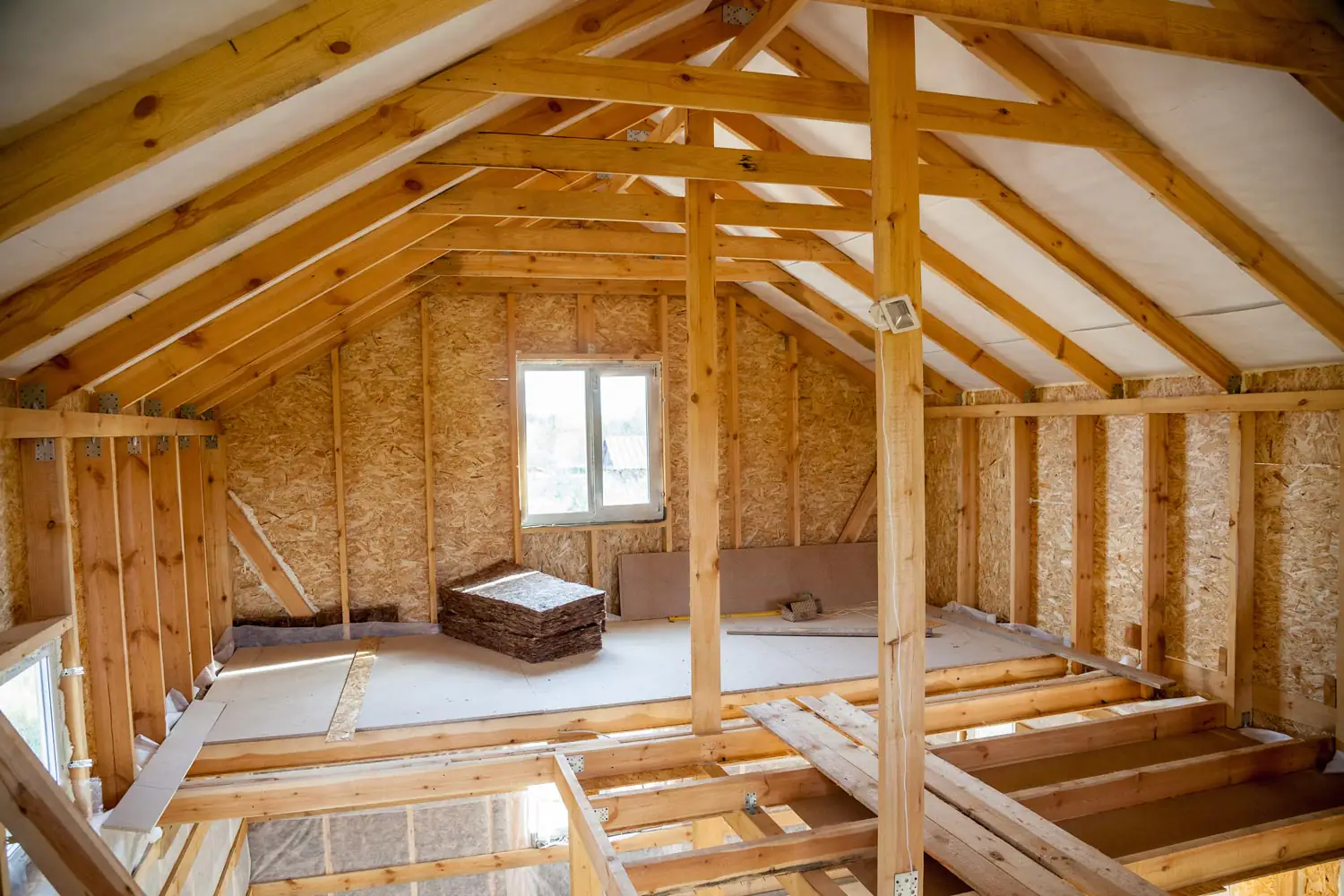
European standard developed by a recognised European Standards Organisation. Manufacturers, other economic operators, or conformity assessment bodies can use them to demonstrate that products, services, or processes comply with relevant EU legislation. Harmonized European Standard (hEN) 13171 refers to thermal insulation products made from wood fibre.

Whether the wood has been treated with chemicals preservatives or treatments that penetrate it to enhance its properties or protect it from environmental factors.
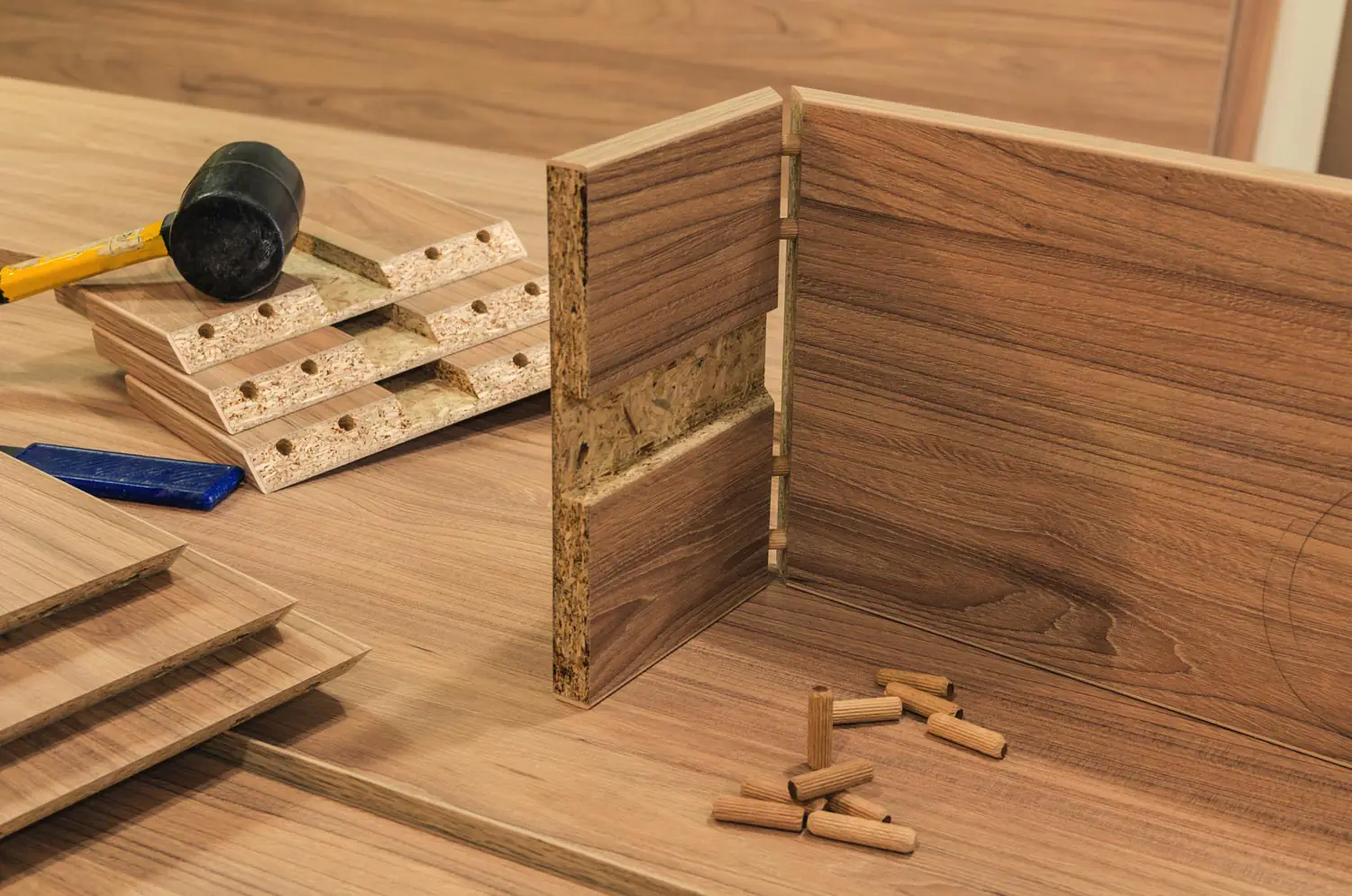
Pieces of wood that have been joined together using various woodworking techniques to create longer or more complex structures. The joints used can include methods like finger joints, dowel joints, and scarf joints, among others.
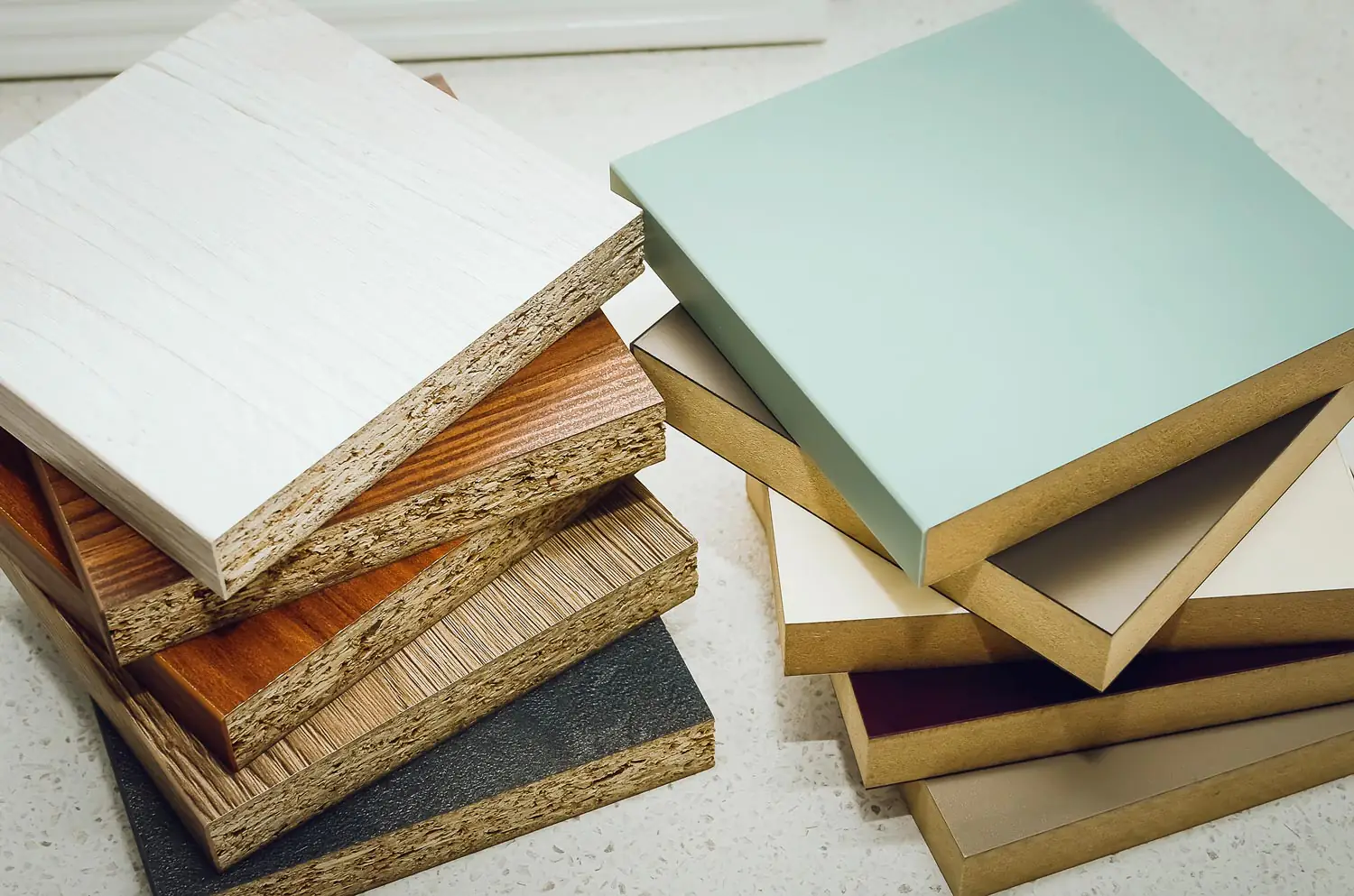
Thin slices, layers or sheets of wood that are used in various applications, particularly in engineered wood products such a veneer or in laminated products.

Systematic method for assessing the environmental impact of a product, process or service throughout its entire life cycle. In the context of the circular economy, it plays a key role in assessing the sustainability of products and systems by taking into account every phase of their life cycle. In the WOODCIRCLES project, in addition to a comparison of two life cycle analysis (LCA) methods to assess the environmental impact (Product Environmental Footprint Method and Environmental Product Declaration), life cycle costing (LCC) and social life cycle analysis (S-LCA) will be carried out.
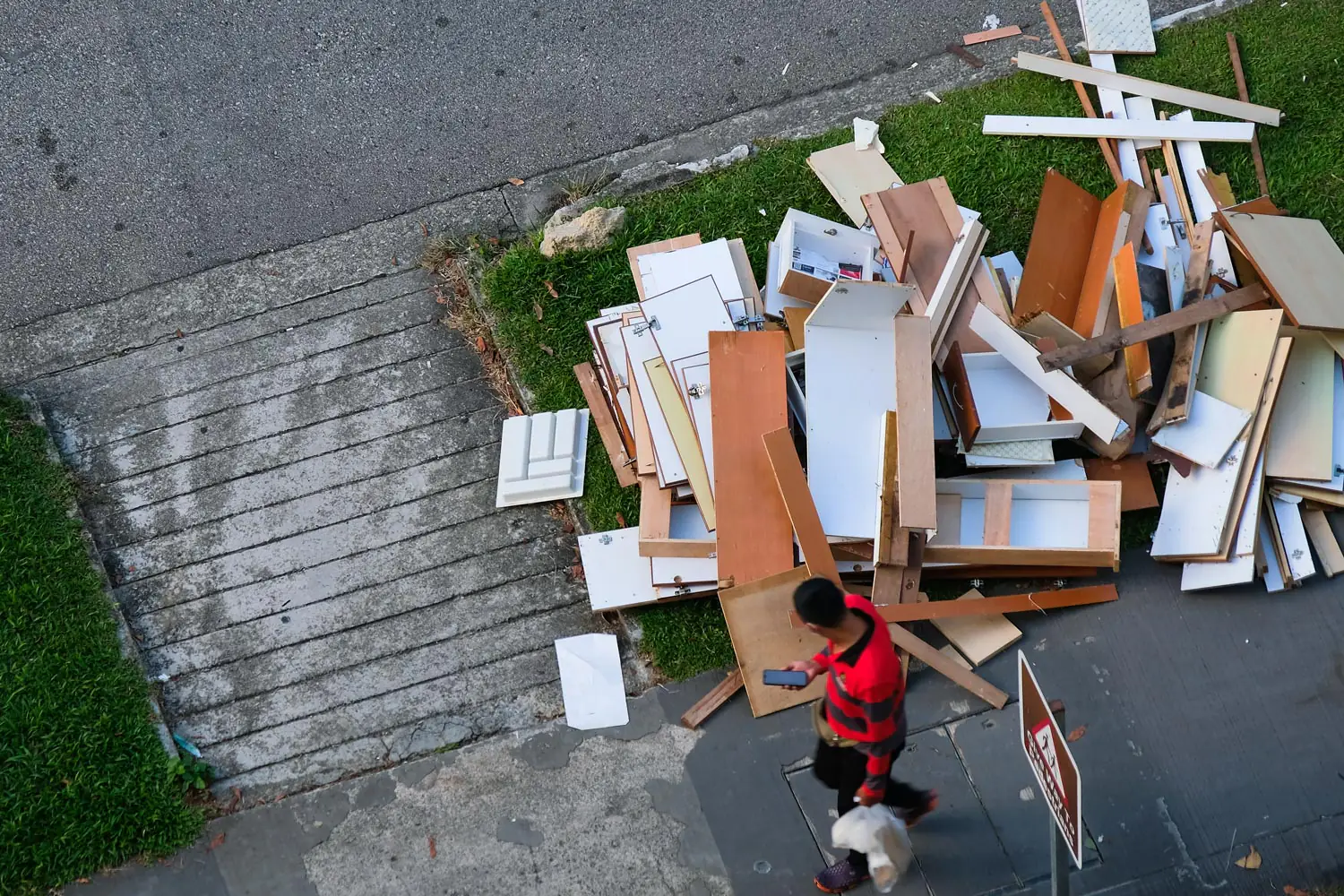
Wood waste generated from various activities within urban or municipal areas. It can come from households, public places, businesses, and construction or demolition activities overseen by municipal authorities.

Laws, regulations, policies, and guidelines established by a country's government. In the context of the circular economy and the wood industry, national provisions can include measures related to the sustainable management of resources, waste reduction, and recycling.
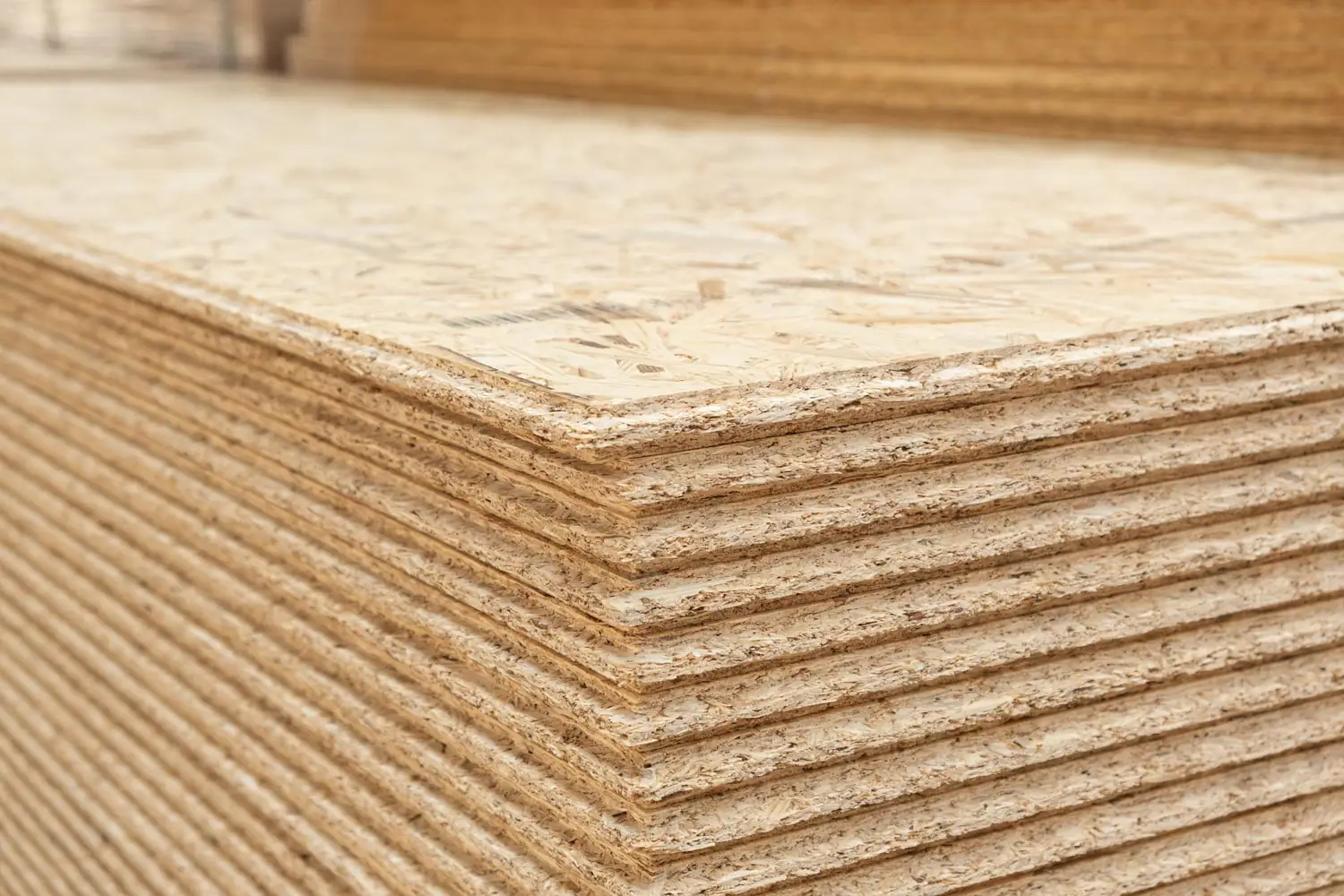
Engineered wood formed by layering strands of wood in specific orientations. It utilizes wood strands, often from fast-growing, sustainable sources, and can include wood waste and offcuts.
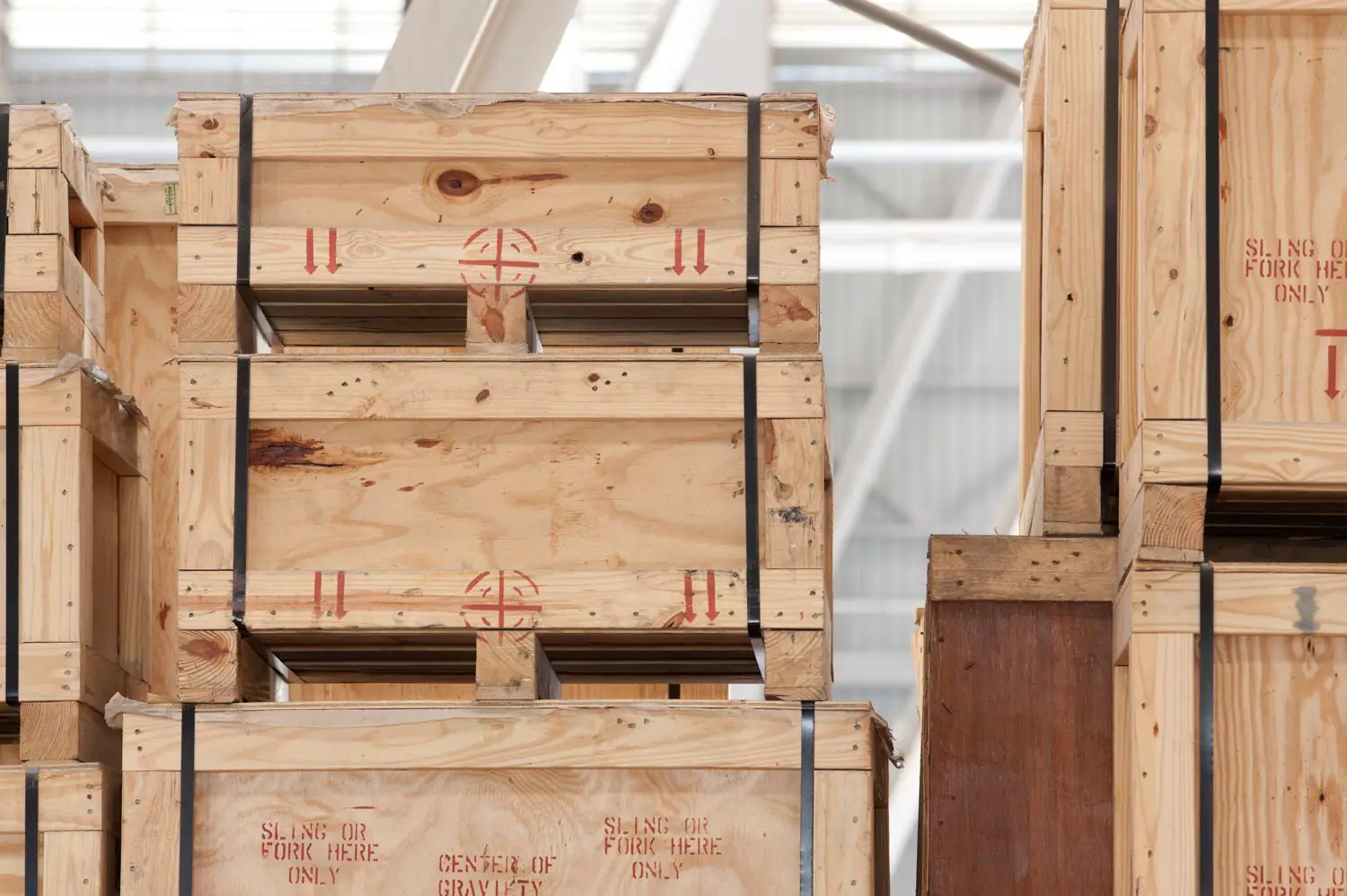
Wood used in the creation of packaging materials designed to protect, transport, and store goods. It is essential in various industries for shipping and handling products safely and efficiently. Materials used included: solod wood, plywood and oriented strand board.

High-quality wood products are easier to repurpose and repair, ensuring durability, reducing the need for frequent replacements and minimizing waste.
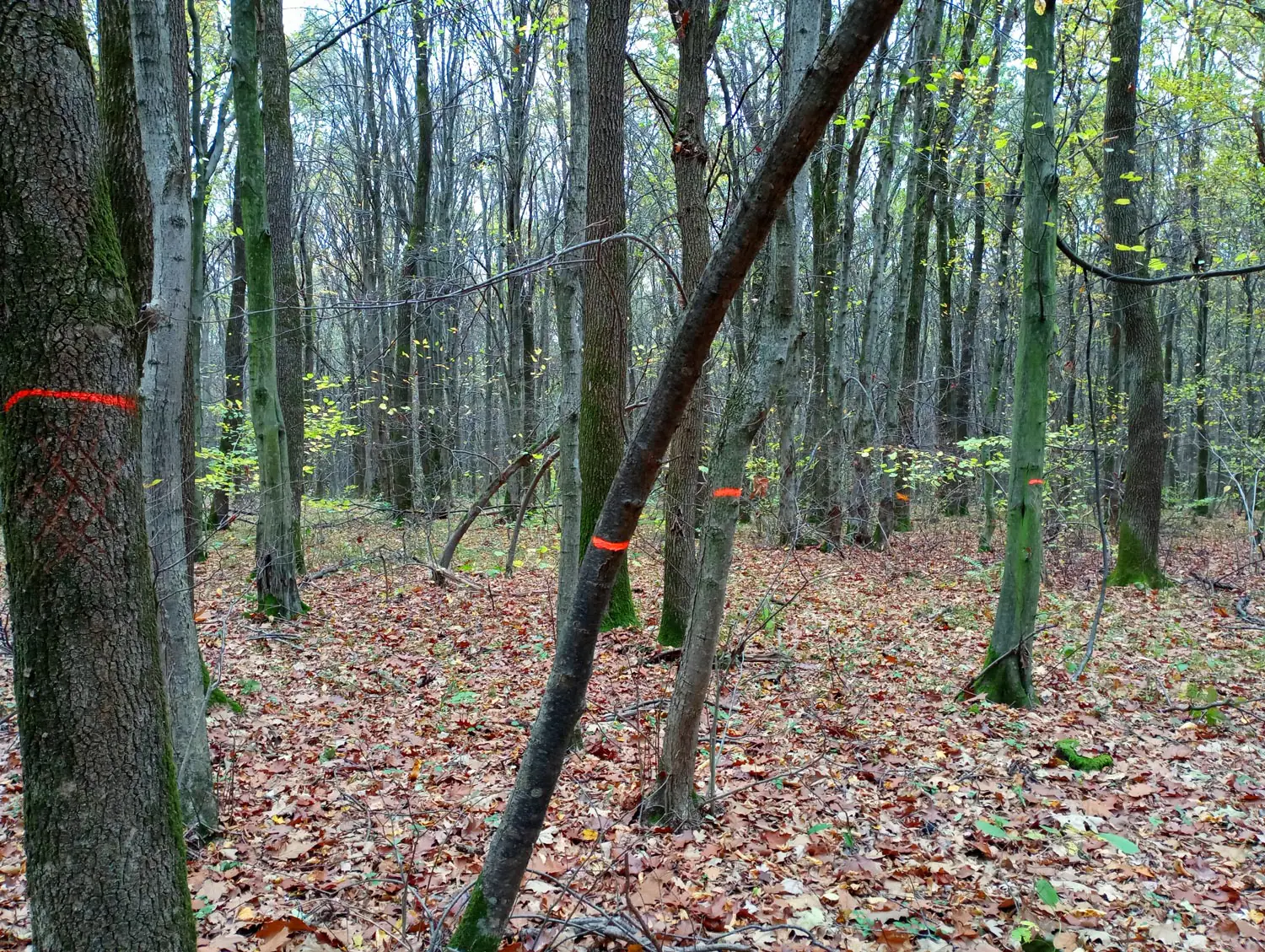
Process of evaluating and quantifying the amount and quality of wood available in each forest or area. This practice is critical for sustainable forest management, ensuring that wood harvesting is balanced with conservation efforts.
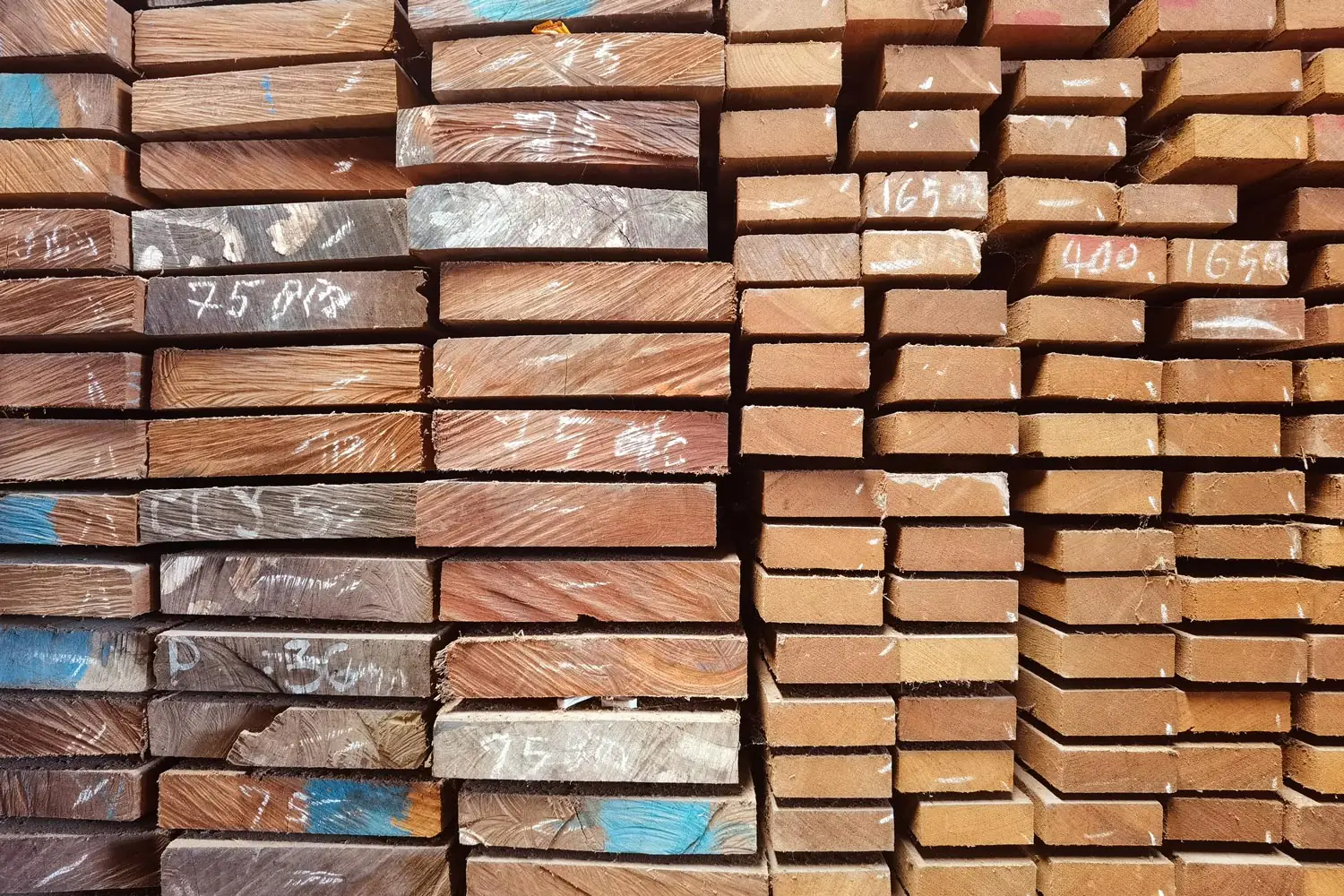
Process of separating and organizing wood materials based on specific criteria to ensure uniformity (size, species, moisture content, etc.) quality, and suitability for various applications. Sorting is a crucial step that precedes grading and standardizing.
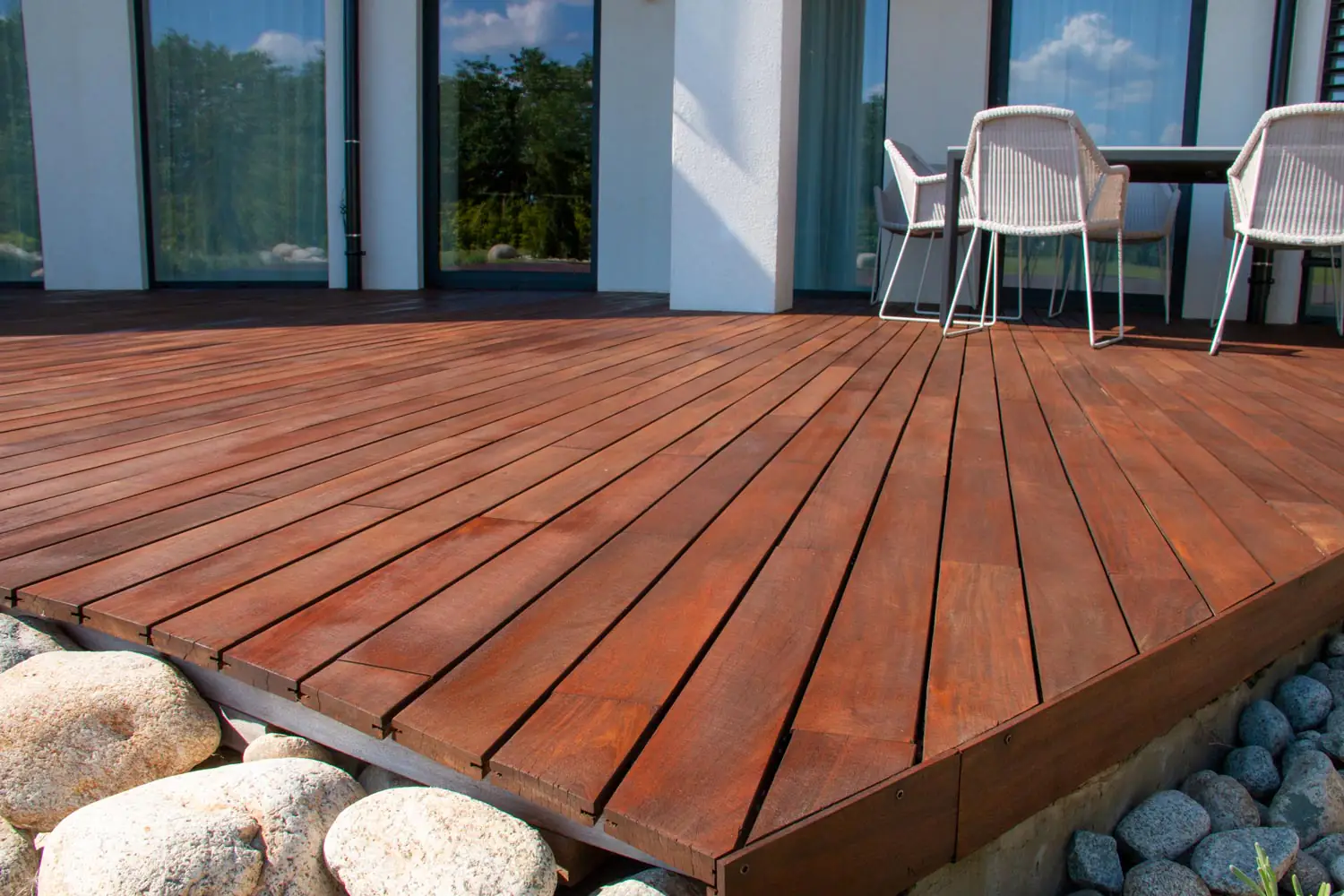
Wood that has been chemically treated (copper, chromium and arsenic) to enhance its durability, resistance to decay, insects, and environmental elements. In contrast, untreated wood is in its natural state, without any chemical preservatives applied.
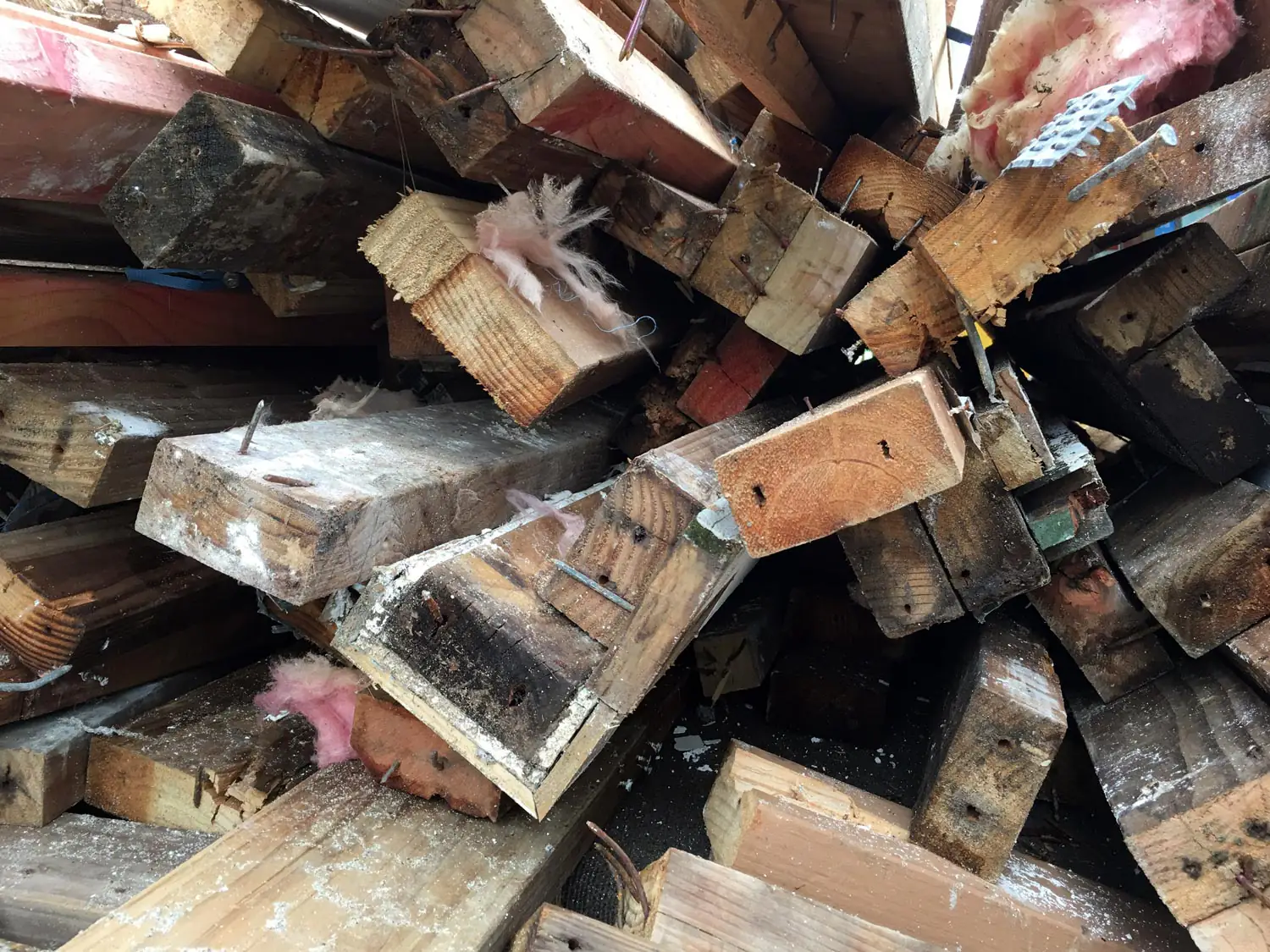
Wood materials bound in existing buildings and constructions including furniture. Urban forests can supply wood to the Urban Sawmill.
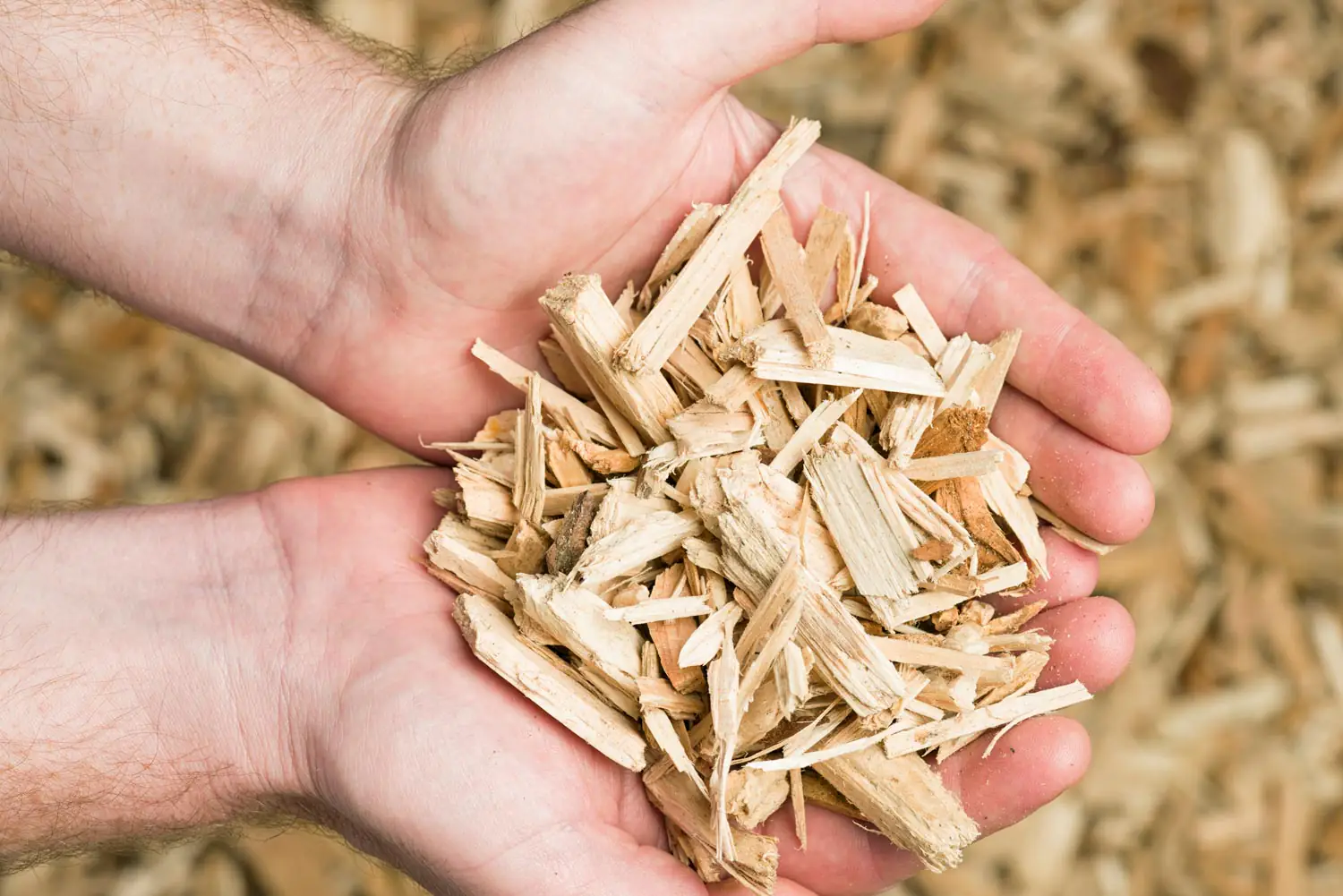
Upcycling and recycling facility that processes wood waste from construction and demolition activities (Urban Forest) into standardised construction materials, contributing to the principles of a circular economy.
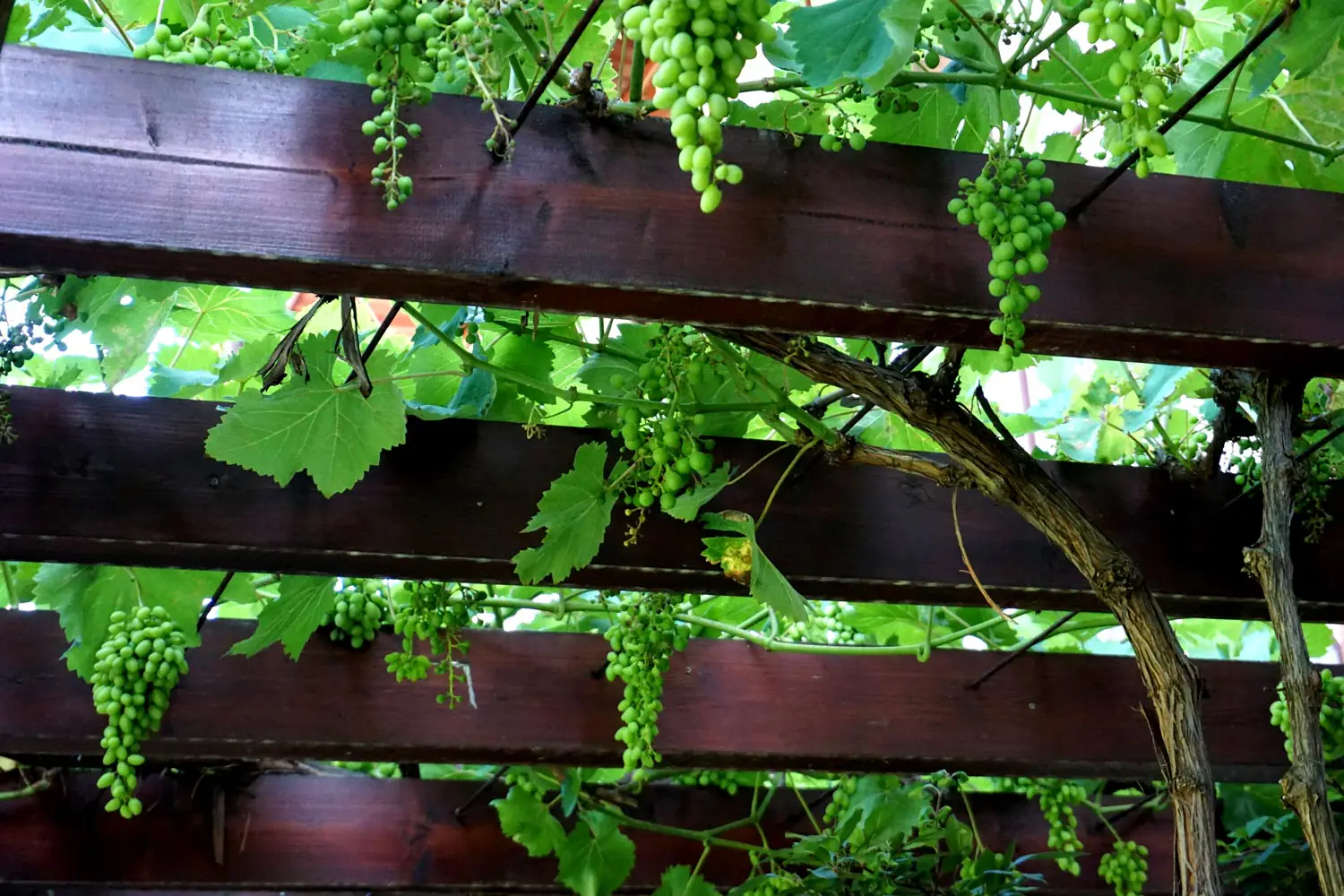
Vine poles and pergolas are wooden structures used in viticulture (grape growing) and other climbing plants, that can also offer shade and be a decorative element in outdoor spaces. Normally exposed to pesticides, herbicides, fungicides, and other chemicals used to protect plants.

Cylindrical structures -used for electrical or telephone installations- made from durable wood, typically treated to withstand environmental elements, pests, and decay.

Principle, within the circular economy framework, aimed at minimizing waste generation and maximizing resource efficiency by rethinking and redesigning the life cycle of products and materials. The goal is to ensure that all products are reused, repaired, refurbished, or recycled, thereby reducing the need for new raw materials.